Platform comparison
| Platform | YES odds | NO odds | Fee | KYC | Settlement | |
|---|---|---|---|---|---|---|
PolyGram Pick polygram.ink |
5% | 95% | 0% (USDC on-chain) | No-KYC up to $1,500 | USDC, auto via UMA oracle | Open on PolyGram → |
Polymarket polymarket.com |
5% | 95% | 0% | Geo-blocked in US/UK/EU | USDC, on-chain | Open on PolyGram → |
Kalshi kalshi.com |
— | — | Up to 7% per trade | US-only, KYC required | USD | Open on PolyGram → |
Betfair Exchange betfair.com |
— | — | 2-5% commission | Full KYC from first trade | GBP / EUR | Open on PolyGram → |
Manifold Markets manifold.markets |
— | — | Play-money (mana) | None — play-money | Mana (no cash-out) | Open on PolyGram → |
Live odds for Polymarket-based markets come from the Polygon order book. Non-Polymarket venues show attributes only; clicking any row opens the market on PolyGram.
Market context
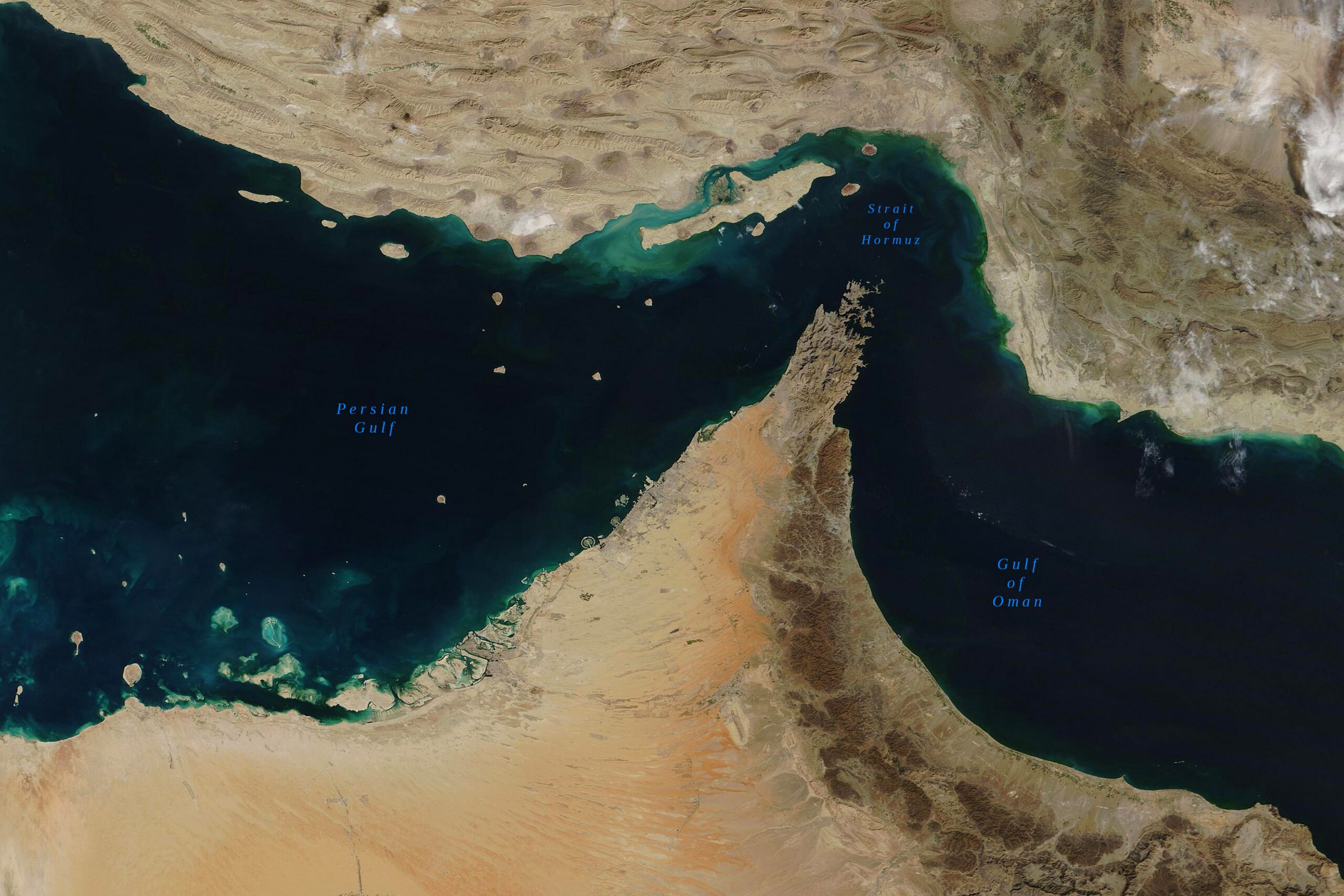
Ships are barely navigating the Strait of Hormuz, with daily transits hovering near six vessels—a minuscule fraction of the 125 to 140 crossings typical before the Iran war erupted on 28 February 2026[2]. Despite a US-Iran ceasefire signed on 8 April 2026, commercial traffic remains at a trickle, constrained by persistent routing uncertainty and ongoing impasse over reopening terms[2]. The strait is effectively closed, with throughput under 2% of normal deadweight tonnage and over 150 vessels stranded, including tankers and bulk carriers[5].
Historical parallels frame the current 16% YES probability as realistic rather than optimistic; the strait briefly reopened on 21 April 2026 before closing again the next day, proving that temporary cessations do not guarantee sustained normalcy[5]. Pre-war traffic averaged over 150 ships daily, whereas post-war figures remain below ten, a systemic shock that has persisted for 100 days without cyclical recovery[4]. Comparable chokepoint closures in modern history show that even after diplomatic agreements, asymmetric power—drones and missiles—allows Iran to maintain control and keep oil prices elevated[4].
Traders must watch for announcements from the US Navy-led Joint Maritime Information Center regarding routing security, as well as scheduled naval escort operations for commercial vessels[2]. A critical dependency is Iran’s decision on mine-laying claims; Iranian media has released maps indicating safe routes, yet Tehran implies mines may be present, creating a high-risk barrier to normal flows[3]. Recent data from Kpler and SynMax confirms most movement occurs within Iranian territorial waters, often involving sanctioned vessels like the Vast Plus chemical tanker, suggesting commercial normalcy remains unlikely without explicit Iranian clearance[2].
Methodology
This page reviews Strait of Hormuz traffic returns to normal by end of June? across five venues. We show live odds for Polymarket-based markets (sourced from the Polygon order book); for other venues we list platform attributes, since the comparable contracts are not exposed via a public API on every venue. Every CTA points at PolyGram — the application we operate, where you trade directly against the Polymarket order book at 0% fees.
Resolution & payout
Settlement runs on-chain. Polymarket's contract logic separates YES and NO shares as conditional tokens; at resolution the winning share lifts to $1.00 and the losing one to $0. The outcome input comes from the UMA Optimistic Oracle, which secures against bad resolution with a bond + dispute window.
Once finalised, the smart contract pays USDC to the holders' wallets within minutes — no withdrawal fees beyond Polygon network gas. Kalshi settles in USD via CFTC clearance, Betfair in account currency net of commission, Manifold in play-money mana with no cash-out.
FAQ
- Is this market available outside the US?
- PolyGram is available in most jurisdictions where Polymarket isn't directly accessible. Polymarket itself is geo-blocked in the US/UK/EU. Always check local regulations.
- What's the difference between YES and NO shares?
- A YES share pays $1.00 if the event happens, $0 otherwise. A NO share pays $1.00 if the event doesn't happen. The market price between 0¢ and 100¢ is the implied probability.
- What does it cost to trade on PolyGram?
- Zero. PolyGram routes every order to the live Polymarket order book; the only cost is the Polygon network fee, typically under $0.01 per transaction.
- How fast are USDC deposits?
- Polygon credits deposits after 12 confirmations — usually under 30 seconds. Withdrawals follow the same path and land back in your wallet within minutes.
- How reliable are the quoted odds?
- The YES/NO percentages are the live mid-prices of the Polymarket order book. On deep markets they move every few seconds; on thinner ones you'll see short plateaus.
%22%2F%3E%3Cpath%20d%3D%22M%206%2066%20A%2026%2026%200%200%201%2058%2066%22%20fill%3D%22%23E6B98D%22%20opacity%3D%220.9%22%2F%3E%3Ccircle%20cx%3D%2232%22%20cy%3D%2226%22%20r%3D%2222%22%20fill%3D%22%23F5CBA7%22%2F%3E%3Cpath%20d%3D%22M%2010%2026%20A%2022%2028%200%200%201%2054%2026%22%20fill%3D%22%23fbbf24%22%20opacity%3D%220.9%22%2F%3E%3C%2Fsvg%3E) and
and%22%2F%3E%3Cpath%20d%3D%22M%206%2066%20A%2026%2026%200%200%201%2058%2066%22%20fill%3D%22%23E6B98D%22%20opacity%3D%220.9%22%2F%3E%3Ccircle%20cx%3D%2232%22%20cy%3D%2226%22%20r%3D%2222%22%20fill%3D%22%23F5CBA7%22%2F%3E%3Cpath%20d%3D%22M%2010%2018%20Q%2016%204%2026%2010%20Q%2020%202%2032%206%20Q%2044%202%2038%2010%20Q%2048%204%2054%2018%22%20stroke%3D%22%23fbbf24%22%20stroke-width%3D%224%22%20fill%3D%22none%22%20stroke-linecap%3D%22round%22%2F%3E%3C%2Fsvg%3E)
Trade Strait of Hormuz traffic returns to normal by end of… on PolyGram
Live order book, 0% fees, USDC settlement in seconds.
Trade on PolyGram →