Platform comparison
| Platform | YES odds | NO odds | Fee | KYC | Settlement | |
|---|---|---|---|---|---|---|
PolyGram Pick polygram.ink |
54% | 46% | 0% (USDC on-chain) | No-KYC up to $1,500 | USDC, auto via UMA oracle | Open on PolyGram → |
Polymarket polymarket.com |
54% | 46% | 0% | Geo-blocked in US/UK/EU | USDC, on-chain | Open on PolyGram → |
Kalshi kalshi.com |
— | — | Up to 7% per trade | US-only, KYC required | USD | Open on PolyGram → |
Betfair Exchange betfair.com |
— | — | 2-5% commission | Full KYC from first trade | GBP / EUR | Open on PolyGram → |
Manifold Markets manifold.markets |
— | — | Play-money (mana) | None — play-money | Mana (no cash-out) | Open on PolyGram → |
Live odds for Polymarket-based markets come from the Polygon order book. Non-Polymarket venues show attributes only; clicking any row opens the market on PolyGram.
Market context
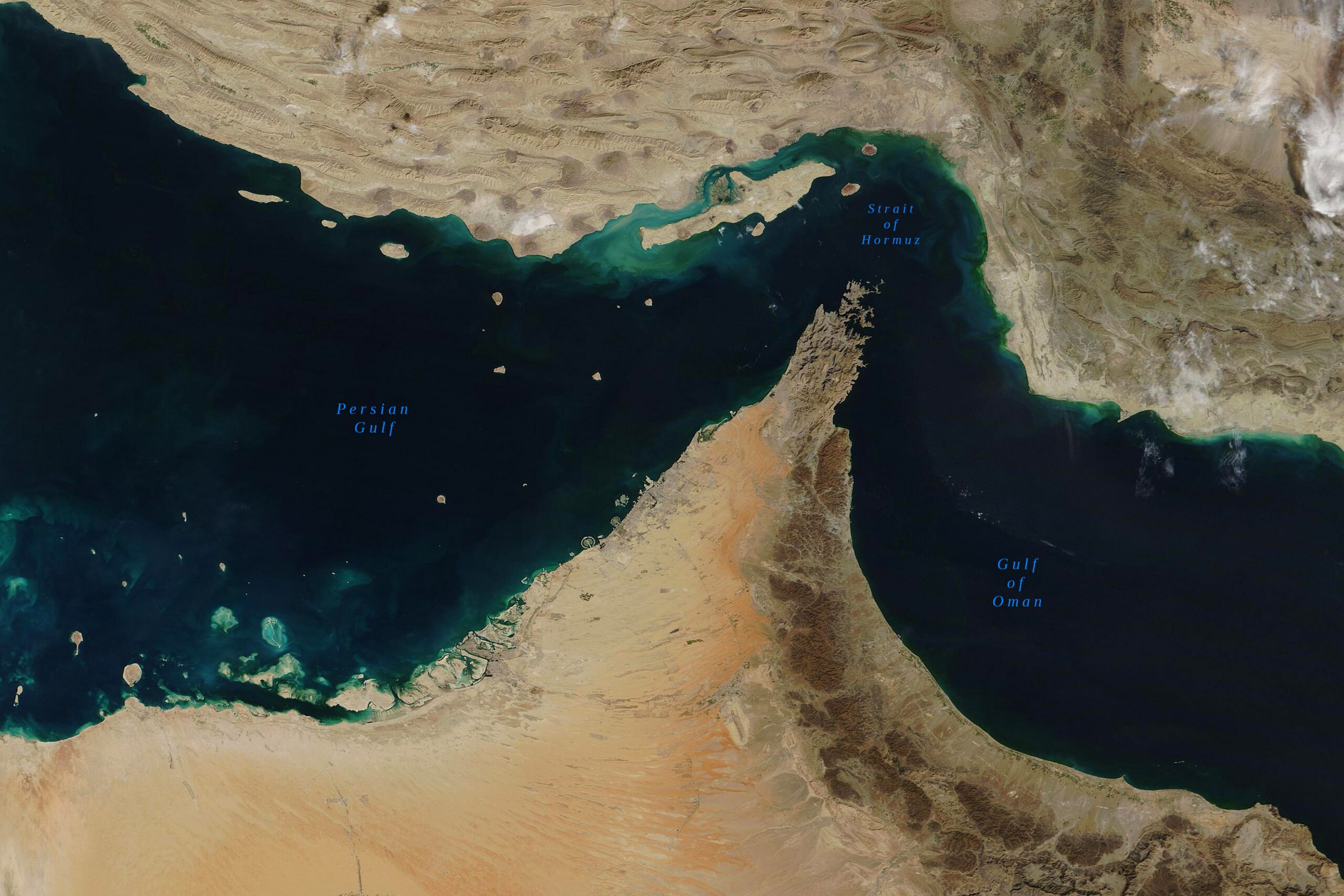
Ships are currently unable to pass through the Strait of Hormuz, with daily transit calls hovering near zero against a normal baseline of roughly 60 vessels. This near-total closure stems from escalating military tensions between the US and Iran, which began with joint strikes in late February and have since led Tehran to attack commercial tankers and impose tolls. Over 150 vessels, including critical oil tankers, remain stranded outside the chokepoint, rerouting via the Cape of Good Hope and adding up to 14 days to transit times. The crisis has driven Brent crude prices surging and pushed war-risk insurance premiums to over 16 times normal rates, threatening approximately 21% of the world’s oil supply.
Historical precedents for this specific chokepoint suggest that sustained normal traffic is exceptionally rare during active conflict. A brief two-week ceasefire in April 2026 allowed a short reopening, yet vessel numbers remained low immediately afterward, failing to approach the 60-vessel threshold required for this market. Data from IMF PortWatch confirms that average daily traffic plummeted from 100 ships in February to just six between March and May, indicating that even diplomatic pauses have not yet restored confidence. The current 68% probability implies a significant market belief in a rapid de-escalation, yet the pattern of previous interruptions suggests that reaching the 60-vessel 7-day moving average by July 31 is a steep challenge given the ongoing naval blockade and Iranian control demands.
Traders must monitor the immediate status of US-Iran peace negotiations and any declared naval blockades, as President Trump has explicitly tied the strait’s reopening to ceasefire terms. Recent reports from NBC News highlight that minimal progress in negotiations has led to a declared blockade, while Iranian media suggests potential mine-laying in the waterway, further complicating safe passage. The key catalyst remains a formal peace deal that would restore confidence for commercial shipping; without such an agreement, the 150+ stranded vessels will likely remain anchored, keeping transit calls well below the 60-vessel threshold. Any sudden announcement of a ceasefire or removal of tolls would be the primary signal for a shift in market probability.
Methodology
This page is a comparison snapshot: one live quote (Polymarket), four reference venues with their key attributes, and a single execution path — every trade button routes to PolyGram, which mirrors the Polymarket order book directly.
Resolution & payout
Polymarket-based markets settle through the UMA Optimistic Oracle on Polygon. A proposer submits the outcome, a two-hour challenge window opens, and unchallenged proposals finalise the resolution. Payouts settle automatically in USDC the moment the result is final — no bookmaker, no delay.
Kalshi-based markets settle in USD via the CFTC-regulated clearinghouse. Betfair Exchange settles in GBP/EUR net of commission. Manifold is play-money and does not pay out real funds.
FAQ
- Where can I trade this market with the lowest fees?
- On PolyGram, which mirrors the Polymarket order book at 0% fees. Kalshi charges up to 7% per trade; Betfair Exchange takes 2-5% commission on net winnings.
- Is this market available outside the US?
- PolyGram is available in most jurisdictions where Polymarket isn't directly accessible. Polymarket itself is geo-blocked in the US/UK/EU. Always check local regulations.
- How does resolution work?
- Through the UMA Optimistic Oracle on Polygon: a proposer submits the outcome, a two-hour challenge window opens, and USDC payouts settle automatically once the result is final.
- How fast are USDC deposits?
- Polygon credits deposits after 12 confirmations — usually under 30 seconds. Withdrawals follow the same path and land back in your wallet within minutes.
- How reliable are the quoted odds?
- The YES/NO percentages are the live mid-prices of the Polymarket order book. On deep markets they move every few seconds; on thinner ones you'll see short plateaus.
%22%2F%3E%3Cpath%20d%3D%22M%206%2066%20A%2026%2026%200%200%201%2058%2066%22%20fill%3D%22%23E6B98D%22%20opacity%3D%220.9%22%2F%3E%3Ccircle%20cx%3D%2232%22%20cy%3D%2226%22%20r%3D%2222%22%20fill%3D%22%23F5CBA7%22%2F%3E%3Cpath%20d%3D%22M%2010%2026%20A%2022%2028%200%200%201%2054%2026%22%20fill%3D%22%23fbbf24%22%20opacity%3D%220.9%22%2F%3E%3C%2Fsvg%3E) and
and%22%2F%3E%3Cpath%20d%3D%22M%206%2066%20A%2026%2026%200%200%201%2058%2066%22%20fill%3D%22%23E6B98D%22%20opacity%3D%220.9%22%2F%3E%3Ccircle%20cx%3D%2232%22%20cy%3D%2226%22%20r%3D%2222%22%20fill%3D%22%23F5CBA7%22%2F%3E%3Cpath%20d%3D%22M%2010%2018%20Q%2016%204%2026%2010%20Q%2020%202%2032%206%20Q%2044%202%2038%2010%20Q%2048%204%2054%2018%22%20stroke%3D%22%23fbbf24%22%20stroke-width%3D%224%22%20fill%3D%22none%22%20stroke-linecap%3D%22round%22%2F%3E%3C%2Fsvg%3E)
Trade Strait of Hormuz traffic returns to normal by July 31? on PolyGram
Live order book, 0% fees, USDC settlement in seconds.
Trade on PolyGram →